Environment
Cars and the air we breathe in the Bajío
León had 69 days with particulates above the standard in 2024, and Celaya reached a purple alert in 2025. Cars do not explain everything, but they dominate carbon monoxide, nitrogen oxides and ozone.
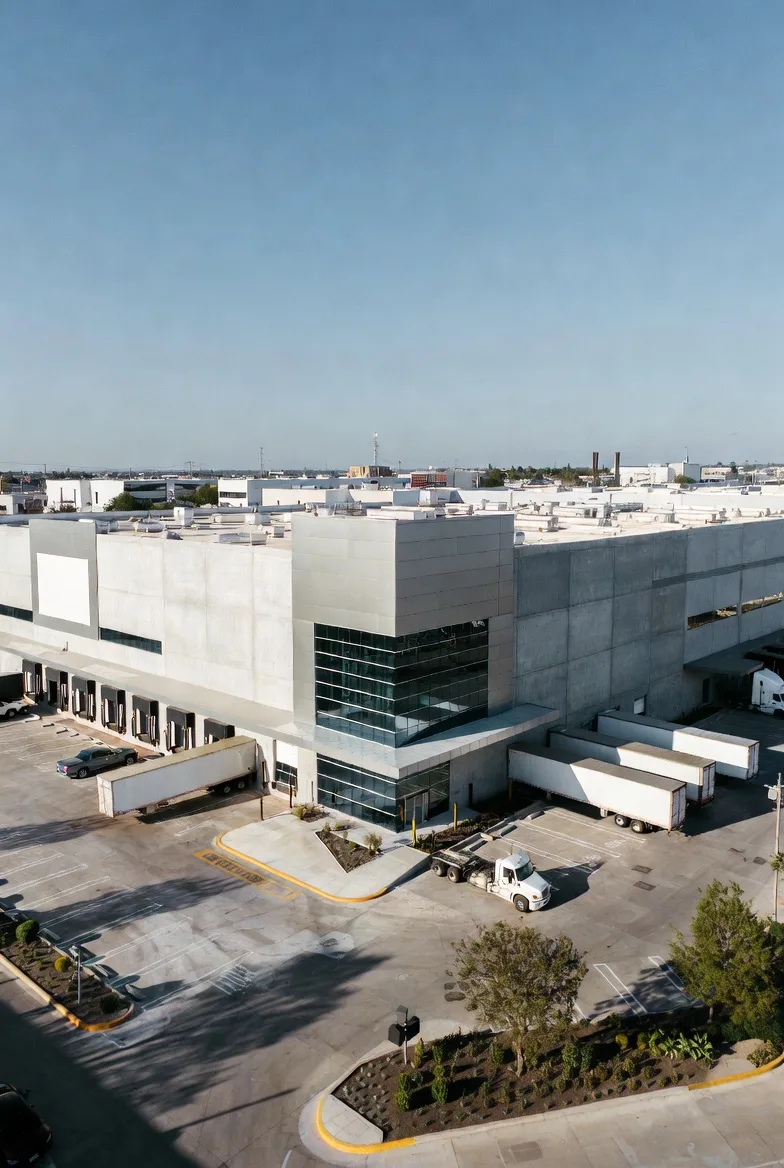
In 2024, León recorded 69 days with PM10 particulates above the standard and 3 days with ozone above the standard. In November 2025, Celaya reached a purple alert (“extremely bad”) and Salamanca a red one. On 1 January 2026, León, Silao and Irapuato woke up to very bad air quality. These are not isolated episodes: the León–Silao–Irapuato–Salamanca–Celaya corridor has an air problem that comes back every year.
How much of it is the car’s fault?
Not all of it. Agricultural burning, wildfires, brick kilns, industry and trash burning also weigh in, and in some episodes they are the main cause: the press attributed the November 2025 alert in Celaya and Salamanca mostly to crop-residue burning, and the start of 2026 to bonfires and fireworks. But there are pollutants where vehicles are the dominant source:
- Carbon monoxide (CO): in Guanajuato, vehicles on the road account for more than 90 % of emissions, according to Observatorio Guanajuato.
- Nitrogen oxides (NOx) and hydrocarbons: they come out of the tailpipe, and hydrocarbons also escape as vapour during refuelling. In sunlight they react and form ozone, the typical pollutant of hot afternoons.
- Fine particulates (PM2.5): diesel engines, especially older freight and public-transport vehicles, are one of their main sources in urban areas.
More cars every year
Guanajuato ranks eighth among Mexican states in vehicles per thousand inhabitants, and the fleet keeps growing. Bajío cities have sprawled outward, with long commutes between home, work and school, and public transport that is not always a real alternative. The result is more kilometres driven, more traffic and more emissions.
Inspection works, if people comply
Guanajuato runs a State Vehicle Inspection Programme with 130 authorised centres in 34 municipalities, and Querétaro has its own mandatory programme. Inspection catches the most polluting vehicles, usually a small fraction of the fleet that contributes a disproportionate share of emissions. The challenge is compliance: according to the state Water and Environment Ministry, 37.8 % of the registered fleet (662,885 vehicles) was inspected in the first half of 2025, and the 2024 average was 35 %. Fewer than 4 in 10 cars.
What others do
In Germany, many cities have low-emission zones (Umweltzonen) where only vehicles meeting certain emission standards, identified by a sticker, may drive. In Mexico, Mexico City and its metropolitan area have the Hoy No Circula programme and environmental contingencies. The Bajío still has no equivalent metropolitan policy, even though its air problem is already metropolitan.
What we can do
As drivers:
- Get inspected on time and keep up maintenance: a well-tuned engine pollutes less and uses less fuel.
- Do not leave the engine idling unnecessarily.
- Share rides and combine trips.
As companies with fleets:
- Measure the fleet’s fuel use and emissions, and prioritise replacing the oldest diesel units.
- Review routes and schedules to cut empty kilometres and time in traffic.
- Consider hybrid, electric or gas vehicles where the duty cycle allows.
As a region:
- Treat air quality as a metropolitan issue, not a municipal one.
- Enforce inspection and expand air monitoring.
- Invest in public transport that competes with the car on time and comfort.
The Bajío’s air will not be cleaned by a single measure. But understanding where each pollutant comes from is the first step toward no longer breathing it.
This is an informational article, not environmental advice. Figures come from public sources and the press.
Sources: La Silla Rota — León breathed 69 days of toxic air (2 Dec 2025) · Periódico AM — air pollution in Celaya and Salamanca reaches critical levels (10 Nov 2025) · Zona Franca — León, Silao and Irapuato start 2026 with very bad air quality (1 Jan 2026) · Observatorio Guanajuato — vehicles per thousand inhabitants · Government of Guanajuato — State Vehicle Inspection Programme (20 May 2026) · Newsweek Guanajuato — 4 in 10 vehicles get inspected (21 Oct 2025)
This article is also available in Spanish. Read in Spanish