Infrastructure
The Bajío runs on petroleum fuels: where they come from and what they are used for
Almost everything produced and moved along the León–Querétaro corridor depends on gasoline, diesel or LPG. A refinery in the middle of the region does not guarantee supply, and the traceability of every litre is now a compliance issue.
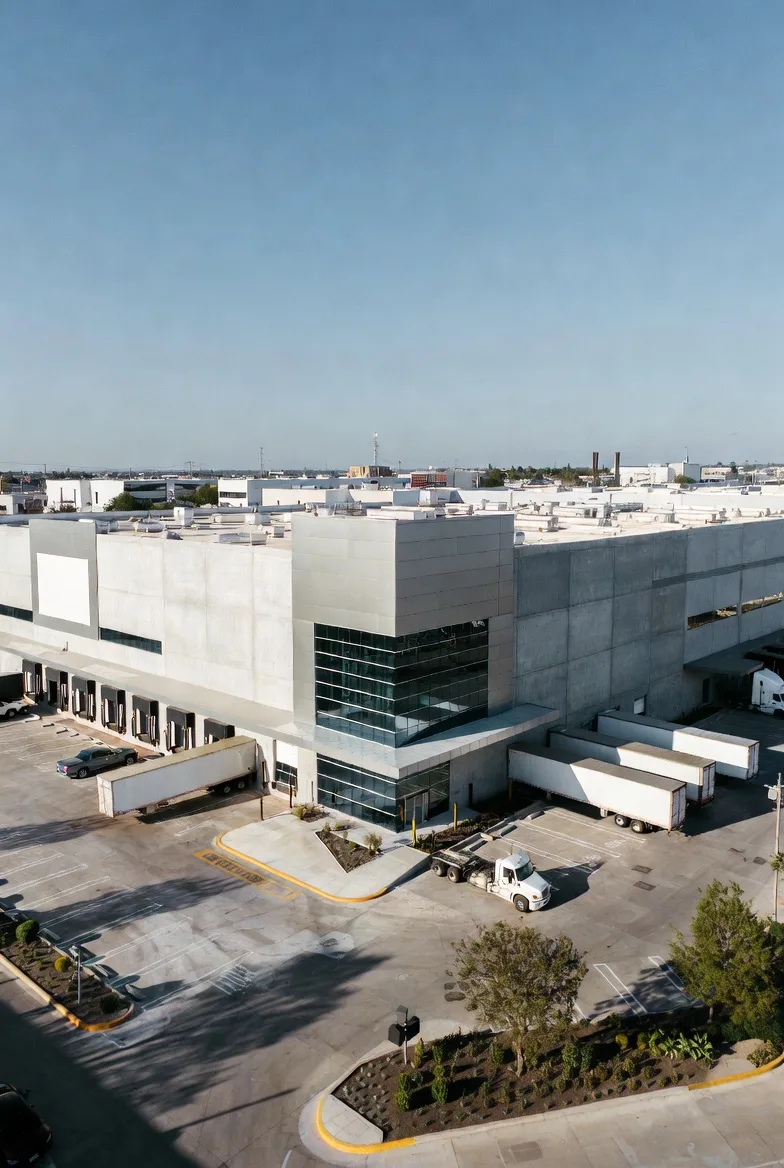
The Bajío is one of Mexico’s industrial engines: auto plants, auto parts, agribusiness, logistics and manufacturing along a corridor running from León to Querétaro. Almost everything produced and moved here depends, at some point, on gasoline, diesel or LPG. It is worth understanding where those fuels come from and what they are used for.
A refinery in the middle of the corridor
The region has one distinctive feature: Salamanca hosts the Ing. Antonio M. Amor refinery, one of the six in Pemex’s national system, with installed capacity of 220,000 barrels per day. Its operation, however, depends on receiving crude oil. In April 2026 it processed 55,700 barrels per day, against 122,500 in March: a 54.5 % drop in one month, attributed to a lack of crude. Gasoline and diesel output fell in the same proportion.
Having a refinery nearby does not guarantee supply. A large share of the fuel consumed in Mexico is imported and arrives by pipeline, rail or tanker truck. That is why what happens at storage terminals, on the highways and in fuel logistics matters as much as the refinery itself.
What are fuels used for in the region?
| Use | Main fuel | What drives it |
|---|---|---|
| Private cars | Gasoline | A large and growing fleet: Guanajuato ranks eighth among Mexican states in vehicles per thousand inhabitants |
| Freight | Diesel | The Highway 45 and 57 corridors, dry ports and logistics parks, and the automotive supply chain |
| Public transport | Diesel, in some cases natural gas | Urban and suburban routes in León, Querétaro, Celaya and Irapuato |
| Industry and construction | Diesel, LPG | Machinery, backup generators, forklifts, kilns and thermal processes |
| Agriculture | Diesel | Tractors, farm machinery and part of the pumping in one of the country’s most productive farming regions |
| Homes and commerce | LPG | Cooking and water heating in most households, restaurants and small businesses |
Most of the natural gas used by the region’s industry arrives by pipeline and is regulated differently, so it is not in this table.
The other side: fuel without traceability
The Bajío is also a transit and consumption point for fuel of illicit origin. On 17 September 2026, Mexico’s Attorney General’s Office (FGR) and Guanajuato’s Security and Peace Ministry seized 59 million litres of gasoline and diesel at La Fragua, San José Iturbide, next to Highway 57: 33.5 million litres of regular gasoline, 7.3 million of premium and 18.3 million of diesel, at a site with ten tanks and access for tanker trucks and rail cars.
According to state authorities, the case began on 3 July at a gas station in San Luis de la Paz, where a person unloading diesel from a tanker truck was detained after failing to prove the fuel’s traceability. The companies linked to the terminal maintain that their operation is legal; as of 19 September, the FGR said they had not yet fully proven the origin, handling and destination of the product, and the case moved to its organised-crime unit. It is under investigation and unresolved.
Whatever the outcome, the case shows why fuel regulation is moving toward full traceability: every litre must be traceable from its origin to the tank where it is used. That rule no longer applies only to gas stations; it also reaches companies that store fuel for their own consumption.
Three closing ideas
- The Bajío is a major diesel consumer, because of its industry, logistics and agriculture. Any change in diesel price, supply or regulation hits regional competitiveness directly.
- LPG is almost everywhere: homes, businesses and industry. Most people use it without thinking about it.
- Traceability is no longer a technical detail. Knowing where the fuel you buy comes from is now a matter of compliance, safety and reputation.
This is an informational article, not legal advice. Figures come from public sources and the press, and the San José Iturbide case remains under investigation.
Sources: Expansión — Salamanca refinery output collapses (27 May 2026) · Observatorio Guanajuato — vehicles per thousand inhabitants · La Jornada — FGR confirms seizure of more than 59 million litres (17 Sep 2026) · Periódico AM — gas station and LPG plant led to the seizure, says SSyP (18 Sep 2026) · Quadratín — companies have not proven the fuel’s legality: FGR (19 Sep 2026)
This article is also available in Spanish. Read in Spanish